Yokohama
Yokohama, Japan, scores 73 on the CIRA Index of tourism resilience, #28 of 309 destinations. 29 of 29 measures come from public sources, with 86% confidence. Every grade below states its value, period and source.
Scores by each organisation's criteria
- CIRA Index: 73
- OECD: 73
- UN Tourism: 78
- UNDRR: 66
Strongest
- Domestic share of nights: 90.4 % of nights by residents of the same country (Yokohama City Visitors Bureau / City of Yokohama, 'Yokohama DMO Implementation Plan 2026-2029' and 'Foreign Guest Nights by Country/Region', 2024). At or above 45: grade 4/4.
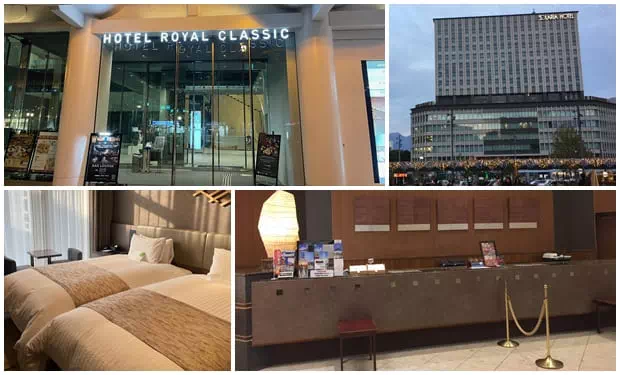
- Hotel bed or room occupancy: 84.7 % average annual occupancy (City of Yokohama (Culture and Tourism Bureau), '横浜市内主要ホテル平均稼働率', 2025). At or above 75: grade 4/4.
- Extreme heat days: 4.6 days a year at or above 35°C (last 5 full years) (ERA5 reanalysis via Open-Meteo, 2021–2025). At or below 5: grade 4/4.
Weakest
- Flood hazard: high (region figure) (World Bank GFDRR ThinkHazard, current (retrieved 2026)). Grade 1/4.
- Dedicated tourism funding: A promotion budget that depends each year on the general budget (MATCHA / BluePlanet Japan Accommodation Tax Guide, 2025–2026). Grade 1/4.
- Tropical nights: 97.6 nights a year with a minimum at or above 20°C (last 5 full years) (ERA5 reanalysis via Open-Meteo, 2021–2025). Between 60 and 100: grade 1/4.
Japan in the World Economic Forum Travel & Tourism Development Index
Japan is #1 of 110 countries (5.27 of 7) in the WEF Travel & Tourism Development Index 2026, which scores countries, not cities. Cities in countries with that WEF score average 70 on the CIRA Index; Yokohama is 3 above that.
Every measure, by theme
Demand and seasonality: 71
- Nights in the three busiest months: 27.3 % of annual nights (country figure) (World Economic Forum, TTDI 2026 (data: UN Tourism by United Nations World Tourism Organization), 2024, 2025 moving average). At or below 30: grade 4/4. Source
- Domestic share of nights: 90.4 % of nights by residents of the same country (Yokohama City Visitors Bureau / City of Yokohama, 'Yokohama DMO Implementation Plan 2026-2029' and 'Foreign Guest Nights by Country/Region', 2024). At or above 45: grade 4/4. Source
- Largest foreign market: 24.3 % of international arrivals or nights (City of Yokohama (based on Japan Tourism Agency Overnight Travel Statistics Survey), 'Number of Foreign Guest Nights in Yokohama City by Country/Region (2021-2025)', 2025). Between 20 and 30: grade 2/4. Source
- Recovery against 2019: 90.1 % of 2019 visitor nights reached in the latest full year (City of Yokohama (Yokohama City Council Committee Proceedings & Yokohama DMO Promotion Plan 2026–2029), 2024). Between 90 and 100: grade 2/4. Source
- Average length of stay: 2.1 nights per visitor (City of Yokohama, '2025年の観光入込客数、観光消費額 ともに過去最高値を更新!' (令和7年度観光動態消費動向調査), 2025). Between 1.8 and 2.2: grade 1/4. Source
- Hotel bed or room occupancy: 84.7 % average annual occupancy (City of Yokohama (Culture and Tourism Bureau), '横浜市内主要ホテル平均稼働率', 2025). At or above 75: grade 4/4. Source
Economy and jobs: 81
- Jobs in tourism industries: 4.1 % of employment in accommodation and food services (country figure) (World Economic Forum, TTDI 2026 (data: Travel & Tourism Economic Impact Research by World Travel & Tourism Council; Travel & Tourism by World Travel & Tourism Council), 2026). At or below 8: grade 4/4. Source
- Unemployment rate: 3.2 % of the labour force (City of Yokohama (Policy and International Strategy Bureau) / Statistics Bureau of Japan, 2020 Population Census, 2020). At or below 5: grade 4/4. Source
- Income per head: 37,052 GDP per capita, USD PPP (region figure) (OECD Regional Statistics via Wikipedia, 2021). Between 30,000 and 45,000: grade 2/4. Source
- Economic diversity: 73.6 % of employment outside accommodation, food, retail and transport (City of Yokohama Policy Bureau, 'Yokohama Economy by the Numbers', 2016). Between 72 and 80: grade 3/4. Source
Climate and hazards: 60
- Extreme heat days: 4.6 days a year at or above 35°C (last 5 full years) (ERA5 reanalysis via Open-Meteo, 2021–2025). At or below 5: grade 4/4. Source
- Tropical nights: 97.6 nights a year with a minimum at or above 20°C (last 5 full years) (ERA5 reanalysis via Open-Meteo, 2021–2025). Between 60 and 100: grade 1/4. Source
- Flood hazard: high (region figure) (World Bank GFDRR ThinkHazard, current (retrieved 2026)). Grade 1/4. Source
- Wildfire and storm hazard: medium (region figure) (World Bank GFDRR ThinkHazard, current (retrieved 2026)). Grade 2/4. Source
- Country disaster risk: 2 INFORM Risk index, 0–10 (country figure) (INFORM Risk (European Commission JRC), INFORM Risk Mid 2026, 2026). At or below 2: grade 4/4. Source
Water and environment: 81
- Water scarcity: low (region figure) (World Bank GFDRR ThinkHazard, current (retrieved 2026)). Grade 3/4. Source
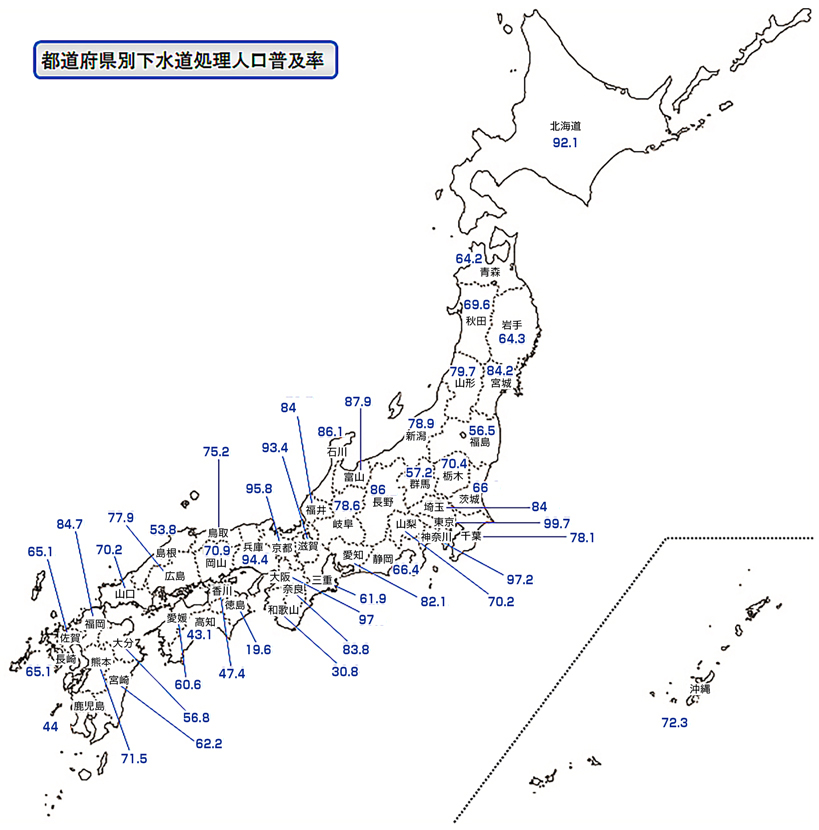
- Wastewater safely treated: 100 % of domestic wastewater safely treated (Japan Sewage Works Association / Ministry of Land, Infrastructure, Transport and Tourism (MLIT), FY2024). At or above 95: grade 4/4. Source
- Municipal waste per resident: 289.8 kg per resident per year (Yokohama City Resources and Wastes Recycling Bureau, 'Overview of Waste Management in Yokohama City' (citing Ministry of the Environment Survey of Municipal Solid Waste), FY2022). At or below 350: grade 4/4. Source
- Green space: 27.1 % of the urban area that is green or tree-covered (Yokohama City, 'Green Space Factor / Green Coverage Survey Analysis Report', 2024). Between 20 and 30: grade 2/4. Source
Community and housing: 88
- Tourism intensity: 2.6 visitor nights per resident per year (City of Yokohama Culture and Tourism Bureau, 'Yokohama Tourism Attraction Indicators' & Statistics Division Population Data, 2024). At or below 5: grade 4/4. Source
- Cruise pressure: not measured yet
- Rent growth: 4.5 % change in rents over the last 12 months (A-Realty, Yokohama Average Rent 2025: Lifestyle & Price Trends, 2025). Between 3 and 6: grade 3/4. Source
- Short-let density: 0 short-term rental listings per 100 dwellings (Japan Tourism Agency (MLIT) & Statistics Bureau of Japan (Yokohama City), July 2026). At or below 0.5: grade 4/4. Source
- Resident support for tourism: 60.6 % of residents who say tourism benefits them or the city (City of Yokohama, Citizen Opinion Survey on the Promotion of Tourism and MICE, July 2026). Between 60 and 70: grade 3/4. Source
Access and continuity: 75
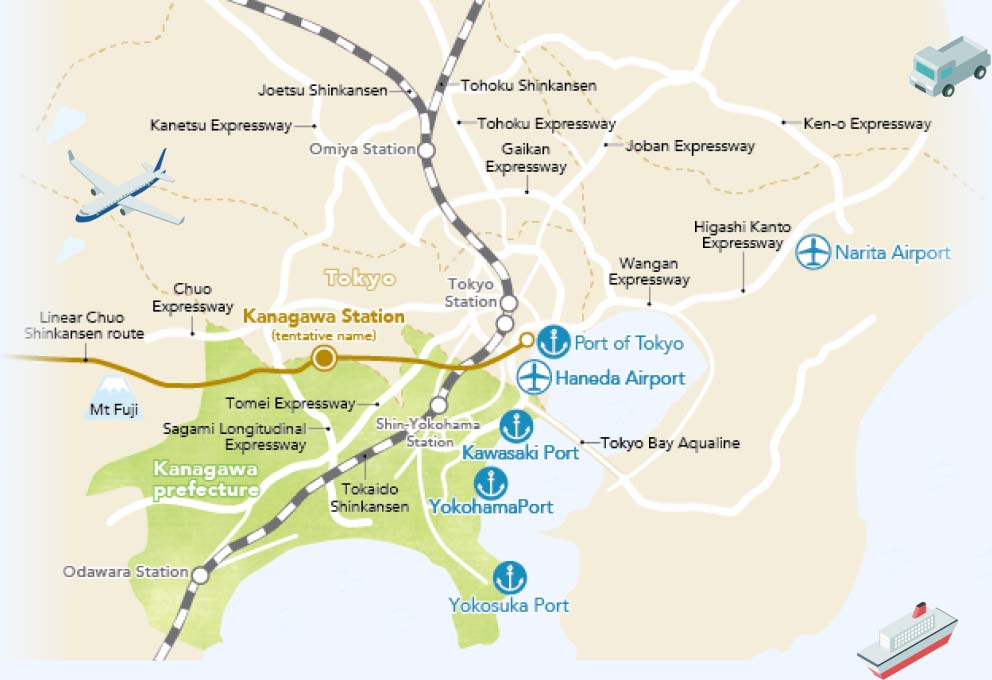
- Access redundancy: 3 independent ways in: international airport, intercity rail, port, motorway (Japan National Tourism Organization & Kanagawa Prefectural Government, 2024–2026). Between 3 and 4: grade 3/4. Source
- Air traffic recovery: not measured yet
- Rail share of intercity access: not measured yet
- Rail traffic recovery: not measured yet
- Largest airline group share: not measured yet
- Air route concentration: not measured yet
- Early warning and emergency plan: An updated, tested plan that names visitors and tourism operators, with warnings in several languages (City of Yokohama Emergency Management & Yokohama Convention & Visitors Bureau, 2024–2025). Grade 4/4. Source
- Tourism crisis and recovery plan: A written destination crisis plan (Yokohama Convention & Visitors Bureau / PACIFICO Yokohama, 2024–2025). Grade 2/4. Source
- Government effectiveness: 99.5 World Bank WGI percentile rank, 0–100 (country figure) (World Bank Worldwide Governance Indicators, 2025). At or above 80: grade 4/4. Source
- Travel advisory: 1 stricter of the US and Canadian government advisory for the country, 1 (normal precautions) to 4 (do not travel) (country figure) (US State Department and Government of Canada travel advisories, 2026-09-29). At or below 1: grade 4/4. Source
- Dedicated tourism funding: A promotion budget that depends each year on the general budget (MATCHA / BluePlanet Japan Accommodation Tax Guide, 2025–2026). Grade 1/4. Source
Compare Yokohama
- Tokyo vs Yokohama
- Fukuoka vs Yokohama
- Kobe vs Yokohama
- Osaka vs Yokohama
- Nagoya vs Yokohama
- Kyoto vs Yokohama
- Sapporo vs Yokohama
- Shanghai vs Yokohama
- Daegu vs Yokohama
The CIRA Index ranking · City vs city · How the index works · CIRA Studio · Put your city in the pilot